Little Alligator: A Designer’s Review for Branded Merch
As an embroidery designer who has spent years digitizing and reviewing files for commercial use, I approach every new machine embroidery design with a critical eye. It is not enough for a motif to be cute; it must be functional, durable, and scalable for real-world business applications. Recently, I evaluated Little Alligator, a charming entry in the Baby Animals category, to determine its viability for small business merchandise and branded patch production. This review focuses on how this specific embroidery file performs when moved from the digital screen to actual fabric.
First Impressions and Visual Personality
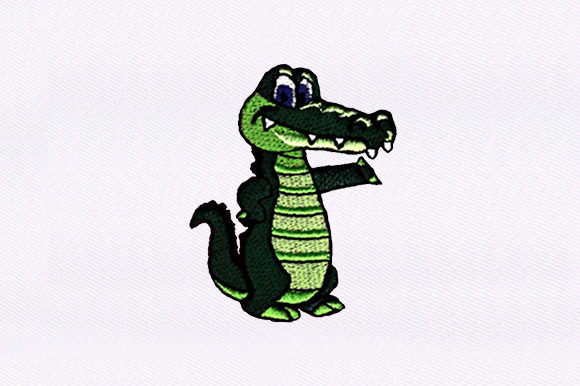
The immediate appeal of Little Alligator lies in its approachable aesthetic. Described as adorable with cute green scales and blue eyes, the design projects a friendly and playful vibe. For brands targeting families, children, or creative communities, this visual personality is a significant asset. However, from a technical standpoint, "cute" can sometimes translate to "fragile" if the digitization relies too heavily on fine details. My initial assessment suggests that while the design adds a spark of beauty, its success depends heavily on how well the thread colors contrast against the background fabric. The combination of green and blue requires precise color matching to avoid muddiness, especially when viewed from a distance on a tote bag or cap.
Real-World Applications for Small Business Merch
For boutique owners, Etsy sellers, and local businesses, versatility is key. Here is how Little Alligator performs across various product lines:
- Embroidered Patches: This is perhaps the strongest use case. A well-digitized alligator can serve as a standalone iron-on or sew-on patch. It allows customers to customize their own jackets or bags, increasing engagement with your brand.
- Staff Uniforms and Aprons: For cafes, bakeries, or pet brands, placing this design on the chest pocket of an apron adds a touch of whimsy without overwhelming the professional look. It humanizes the staff and creates a memorable customer experience.
- Cap Embroidery: Placing the alligator on the front panel of a dad hat or baseball cap can drive sales. However, the curvature of the cap requires careful hoop placement to ensure the eyes and snout remain symmetrical.
- Tote Bag Design: Canvas totes are popular for eco-friendly branding. The bold green of the alligator stands out well against natural beige or white canvas, making it an effective logo accent for grocery stores or florists.
Navigating Technical Challenges
While the concept is strong, executing Little Alligator requires attention to technical constraints. Not every surface is suitable for every design. Here are areas where caution is advised:
- Small Patch Sizes: If you intend to shrink this design for a tiny label or wristband, verify the stitch density. Fine details like the eyes may merge or become indistinct if the design is reduced below one inch. Always request a test stitch-out at the smallest intended size.
- Textured Fabric: Towels, fleece, or heavy denim can swallow small stitches. The blue eyes might get lost in the pile of a towel. In such cases, using a cut-away stabilizer is non-negotiable to maintain definition.
- Dark Uniforms: The description mentions green and blue threads. On black or navy uniforms, these colors may lack sufficient contrast. You may need to add a white underlay or outline to make the alligator pop, which could alter the original digitizing intent.
- Frequent Washing: Items like baby clothes or kitchen aprons undergo rigorous washing. Ensure the satin stitches used for the eyes are secure. Poorly anchored satin columns can snag or unravel over time, damaging the perceived quality of your finished product.
Impact on Brand Identity and Customer Trust
Consistency in visual assets builds trust. Using a high-quality digital embroidery file like Little Alligator contributes to a cohesive brand identity. When customers see the same crisp, well-executed alligator on your packaging, website mockups, and physical products, it signals professionalism. A sloppy embroidery job, by contrast, can undermine consumer confidence. By investing in a design that holds up under scrutiny, you elevate the perceived value of your handmade product. It transforms a simple item into a collectible piece of small business merch that customers are proud to wear and share on social media.
Practical Notes for Production
Before launching a full production run, I recommend the following steps to ensure quality control:
- Test in Black and White: Print or stitch the design in monochrome first. This helps you evaluate the shape and balance without the distraction of color. If the alligator looks unrecognizable in black and white, the digitizing may rely too much on color rather than form.
- Check Hoop Size Compatibility: Confirm that the design fits within your standard hoop sizes. If it requires a large hoop, it may not be cost-effective for small items like socks or baby bibs.
- Review Thread Color Contrast: Use a thread chart to match the specified greens and blues. Ensure there is enough distinction between the body and the eyes.
- Create a Printable Mockup: Before stitching, place the design on a digital mockup of your target product. This helps visualize scale and placement, saving time and material costs.
- Verify Commercial Licensing: The description notes that the design comes with mult... (likely multi-format or multi-use). Always read the full license agreement. Confirm that you have the right to use the design assets for commercial embroidery and selling physical goods. Never assume; always verify.
Final Verdict
Little Alligator is a promising addition to any designer’s library, particularly for those in the Baby Animals niche. Its charm is undeniable, but its commercial success relies on proper execution. By respecting the limitations of fabric texture, optimizing for stitch density, and ensuring robust stabilizer use, this design can become a staple in your custom apparel lineup. Whether used for a quirky cafe uniform or a trendy tote bag, it offers a blend of playfulness and professionalism that resonates with modern consumers. Just remember to check the specific file formats and license terms provided in the full product description before integrating it into your workflow.