Classic Smiling Emoji: A Designer’s Review for Brand Merch
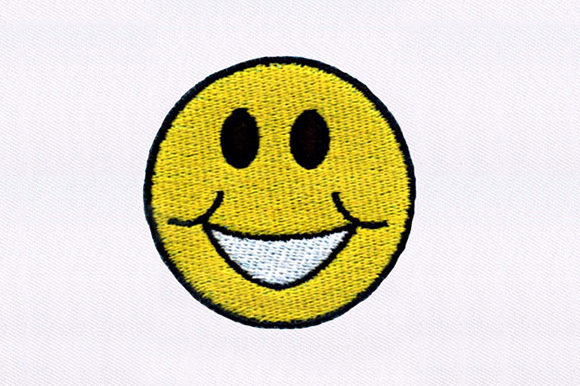
As an embroidery designer who has spent years digitizing logos and testing stitches on everything from heavy denim to delicate silk, I approach every new machine embroidery design with a critical eye. It is not just about whether the image looks cute on a screen; it is about how it translates into thread, how it holds up in the wash, and whether it adds genuine value to a small business’s product line. Today, I am reviewing the Classic Smiling Emoji, a digital asset that sits squarely in the Friends category but has surprising potential for broader commercial application.
When I first loaded the Classic Smiling Emoji into my editing software, my immediate impression was one of approachable professionalism. The design avoids the trap of being overly complex or childish. Instead, it offers a clean, bold aesthetic that reads well even at smaller scales. For boutique owners, café managers, and handmade brands, this visual clarity is crucial. A muddy or overly dense design can look amateurish on a finished product, but this emoji maintains its integrity. It feels modern yet timeless, striking a balance between playful engagement and brand reliability.
Real-World Applications for Small Business Merchandise
The true test of any embroidery file is its versatility. I evaluated how the Classic Smiling Emoji performs across various merchandise types commonly sold by Etsy sellers and local shops. Here is where this design shines:
- Embroidered Patches: This is perhaps the strongest use case. The bold lines of the emoji translate beautifully into a patch format. Whether used as a standalone morale patch for uniforms or a decorative element on backpacks, the design remains legible. It serves as an excellent brand identity marker for creative studios or pet brands looking to add a touch of warmth to their packaging.
- Staff Uniforms and Aprons: For bakeries, florists, and cafés, staff apparel is a walking billboard. Placing the Classic Smiling Emoji on the chest pocket of an apron or the sleeve of a work shirt creates an instant connection with customers. It signals friendliness and service without needing words. However, ensure the placement does not interfere with pockets or functional elements.
- Cap Embroidery: Caps are tricky due to the curved surface and limited space. This design works well on the front panel if scaled correctly. It provides a subtle accent that breaks up solid colors, making it ideal for casual wear brands or event merch.
- Tote Bag Design: Canvas totes are a staple for handmade product sellers. The emoji acts as a focal point that draws the eye. When paired with minimalist typography, it elevates the bag from a simple carrier to a stylish accessory, increasing the perceived value of the finished product.
Navigating Technical Challenges and Fabric Constraints
While the design is robust, there are areas where caution is necessary. As a designer, I always advise testing before full production. The Classic Smiling Emoji must be handled carefully regarding stitch density and fabric choice.
On textured fabrics like terry cloth towels or thick wool, fine details can get lost. If you are using this design on such materials, consider simplifying the stitch path or increasing the size slightly to ensure the facial features remain distinct. Similarly, when embroidering on dark uniforms, thread color contrast is vital. A standard yellow smile may vanish against navy blue if the underlying satin stitch is not dense enough or if the backing fabric shows through. Always use a high-quality stabilizer to prevent puckering, especially on lighter fabrics like cotton tote bags.
Another consideration is the hoop size. While the design is likely optimized for standard hoops, always check the specific dimensions in your software. If you are creating a tiny label or tag, ensure the design does not become so small that the stitches merge into a blob. Legibility is key to maintaining a professional appearance.
Enhancing Brand Identity and Customer Trust
In the world of small business merch, every detail contributes to brand perception. The Classic Smiling Emoji is more than just a graphic; it is a tool for building trust. A consistent visual language helps customers recognize your brand instantly. By incorporating this friendly icon into your custom apparel or product labels, you humanize your brand. It suggests that behind the business are real people who value positive interactions.
This emotional connection can drive buyer engagement. Customers are more likely to share photos of their purchases on social media if the item features a recognizable and cheerful design. This organic marketing is invaluable for craft businesses and online sellers. Furthermore, using a high-quality digital embroidery file ensures that every item looks consistent, reinforcing the idea that your brand values quality and attention to detail.
Practical Designer Notes for Production
Before you commit to stitching hundreds of units, follow these practical steps to ensure success with the Classic Smiling Emoji:
- Test in Black and White First: Convert the design to grayscale in your viewer. If the shapes lose definition without color, the design may rely too heavily on hue rather than form. Adjust density if necessary.
- Check Scale and Spacing: Zoom in to inspect the spacing between elements. Ensure there is enough room for the needle to pass without breaking threads, especially in tight curves.
- Verify File Formats: This design comes in a wide array of formats, including DST, PES, JEF, EXP, and VIP. Ensure you select the correct format for your specific machine model to avoid conversion errors that can alter stitch paths.
- Create a Printable Mockup: Use a printable mockup to visualize the design on your intended product. This helps clients approve the placement and size before you cut into expensive fabric.
- Confirm Commercial Licensing: Always review the license terms associated with the design assets. Ensure you have the right to use the file for commercial sales, especially if you are selling the embroidered items directly to consumers.
The Classic Smiling Emoji is a versatile addition to any embroidery library. It bridges the gap between fun and function, offering a reliable option for brands looking to inject personality into their merchandise. By respecting the technical limitations of embroidery and leveraging the design’s inherent charm, you can create products that not only look great but also resonate with your audience. Whether you are stitching caps for a local sports team or patches for a boutique clothing line, this design proves that simplicity, when executed well, is powerful.