Egyptian Pharaoh Head: A Designer’s Craft Fair Review
As an embroidery designer who has spent countless weekends standing behind booths at local markets, I have learned that not every digital file translates into a bestseller. When I downloaded the Egyptian Pharaoh Head machine embroidery design, my immediate goal was to determine if it had the visual weight and commercial appeal to survive the chaos of a craft fair floor. This is not just about aesthetics; it is about production viability, customer engagement, and the ability to turn a digital embroidery file into a high-margin handmade product.
First Impressions and Visual Impact
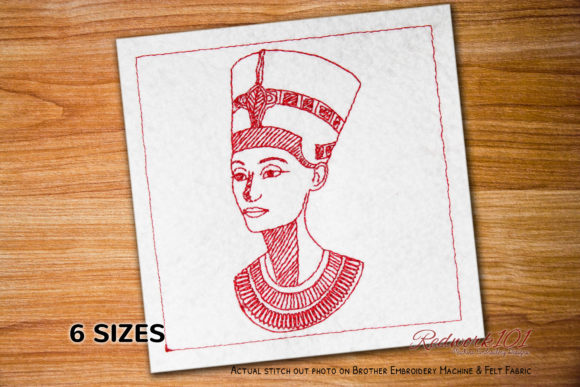
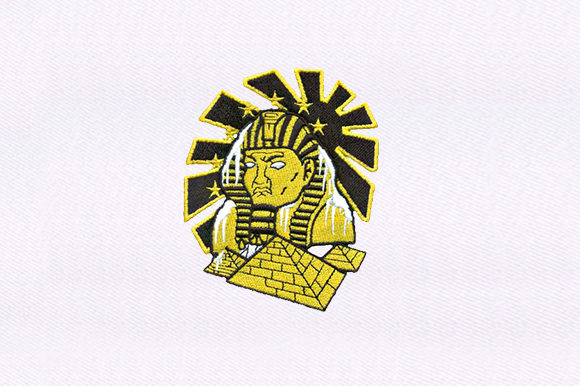
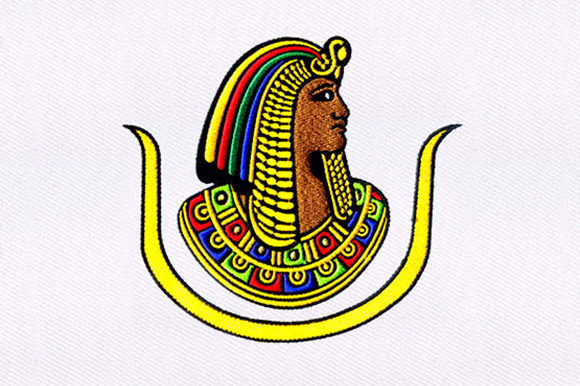
The first thing I look for in a new asset is its immediate readability. The Egyptian Pharaoh Head carries a bold, historic presence. It does not feel cute or farmhouse-style; instead, it leans toward the elegant and premium side of the spectrum. For sellers targeting customers who appreciate history, mythology, or bold graphic statements, this design offers a strong focal point. In the context of Africa-inspired themes or historical motifs, it stands out because it commands attention without needing excessive embellishment.
When viewing the design on screen, I assess whether it will hold up in person. A design that looks intricate on a monitor can sometimes disappear under bright booth lights if the stitch density is too low or the details are too fine. This particular motif suggests a need for high contrast. It works best when the thread colors pop against the fabric, ensuring the silhouette of the pharaoh is unmistakable from three feet away.
Product Viability for Craft Fair Sellers
For Etsy sellers and boutique makers, versatility is key. I tested the potential of this design across several common craft fair products to see where it would perform best.
- Tote Bag Design: This is arguably the strongest application. A large hoop size allows the pharaoh’s head to be the center of attention on a canvas tote. It transforms a simple bag into a statement piece, appealing to buyers looking for unique, artistic accessories.
- Apron Embroidery: Placing the design on the bib of a high-quality linen apron creates a sophisticated kitchen accessory. It moves away from typical floral patterns, offering something distinct for customers who want their home goods to reflect personality.
- Tea Towel Embroidery: While possible, this requires caution. Tea towels often have a loose weave. If the design has dense stitch areas, it may pucker the fabric. I recommend using a heavy cut-away stabilizer to maintain the integrity of the tea towel embroidery.
- Embroidered Patch: Creating iron-on patches is a fantastic way to utilize smaller versions of the design. Patches are low-commitment purchases for customers and allow you to batch produce them efficiently before the market.
Production Practicalities and Technical Notes
Before committing to a full production run, any serious small shop product creator must address technical constraints. The provided list of formats—10O, ART, CND, DSB, DST, DSZ, EXP, HUS, JEF, PCS, PEC, PES, TAP, VIP, VP3, XXX—indicates broad compatibility, which is excellent for users with various machines. However, format compatibility does not guarantee perfect execution on every fabric.
I strongly advise checking the stitch density and underlay settings. If the Egyptian Pharaoh Head features tiny details, such as intricate headdress patterns or facial features, these may get lost on textured towels or thick denim. For curved surfaces like caps, the design must be digitized with pull compensation in mind to prevent distortion. If the original file was not specifically optimized for caps, avoid using it there unless you have advanced digitizing skills to adjust it.
Dark fabric presents another challenge. If you plan to stitch this on black or navy items, ensure the design includes sufficient satin stitches or bold outlines to maintain visibility. Light thread on dark fabric can sometimes look sparse if the density is not adjusted correctly. Always create at least one real mockup on your intended fabric before listing it as a finished product.
Maximizing Sales and Customer Engagement
In a crowded marketplace, your booth display strength relies on cohesive branding. The Egyptian Pharaoh Head can anchor a collection of history-themed or exotic-inspired items. To maximize buyer engagement, pair the embroidered items with complementary colors. Gold, turquoise, and deep red threads often evoke the regal nature of the subject, enhancing the perceived value of the handmade product.
For online listings, such as those for an Etsy seller, high-quality photography is non-negotiable. Use a printable mockup to visualize how the design sits on different products, but always follow up with photos of the actual stitched item. Close-up shots that highlight the texture of the thread and the precision of the stitches help justify a higher price point. Customers buying commercial embroidery products want to see that the quality matches the digital promise.
Designer Tips for Best Results
To ensure your final output meets professional standards, follow these practical steps:
- Test on Scrap Fabric: Never skip this step. Stitch the design on the exact same material you intend to sell. Check for puckering, thread breaks, or registration issues.
- Check Thread Contrast: Ensure your thread colors provide enough distinction between the background and the design elements. Low contrast can make the design look muddy from a distance.
- Review Spacing and Hoop Size: Confirm that the design fits comfortably within your hoop without being too close to the edge, which can cause hooping difficulties during production runs.
- Use the Right Stabilizer: Match your stabilizer to your fabric. Woven fabrics may need cut-away, while knits might require tear-away or wash-away depending on the desired finish.
- Confirm Commercial Licensing: Before selling any finished product, verify the license terms associated with the digital embroidery file. Ensure you have the rights to use the design for commercial purposes.
The Egyptian Pharaoh Head is a compelling choice for designers looking to expand beyond standard floral or seasonal motifs. It offers a sense of timelessness and authority that can elevate simple items like tote bags and aprons into premium gifts. By paying attention to fabric texture, stitch density, and presentation, you can turn this single design asset into a profitable segment of your craft fair inventory. Whether you are a seasoned embroidery business owner or a creative entrepreneur just starting out, this design rewards careful preparation with strong visual impact and customer interest.