Decorated Feathers: A Holiday Embroidery Review
As an experienced embroidery designer, I spend countless hours reviewing new digital assets before they make it into my seasonal collections. The goal is always the same: finding designs that not only look beautiful on screen but perform flawlessly on fabric and resonate emotionally with holiday shoppers. Recently, I reviewed Decorated Feathers, a machine embroidery design that immediately caught my eye for its potential in upcoming holiday and celebratory product lines. This review breaks down why this design is a strong contender for your small shop product lineup, how it performs across various textiles, and what practical steps you need to take to ensure high-quality finished products.
First Impressions: Mood and Aesthetic Appeal
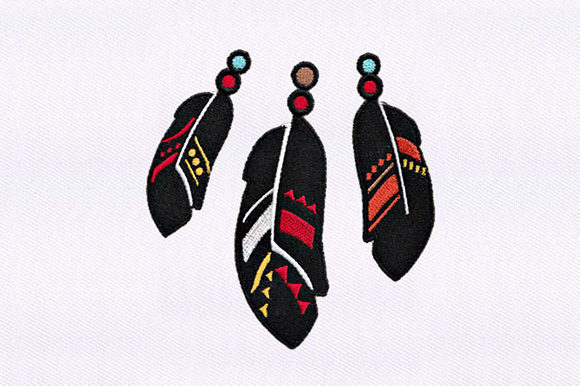
The first thing that strikes you about Decorated Feathers is its versatile emotional tone. It balances elegance with a touch of rustic charm, making it suitable for a wide range of holiday themes. Whether you are aiming for a cozy winter vibe, a spiritual Christmas aesthetic, or a modern bohemian look for New Year’s celebrations, this design adapts well. The decorative style suggests a premium feel, which is crucial when you are trying to elevate the perceived value of handmade gifts.
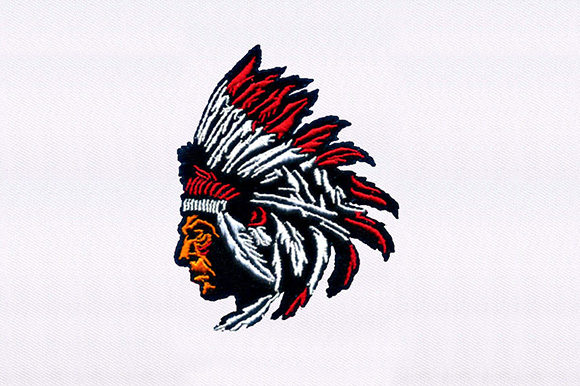
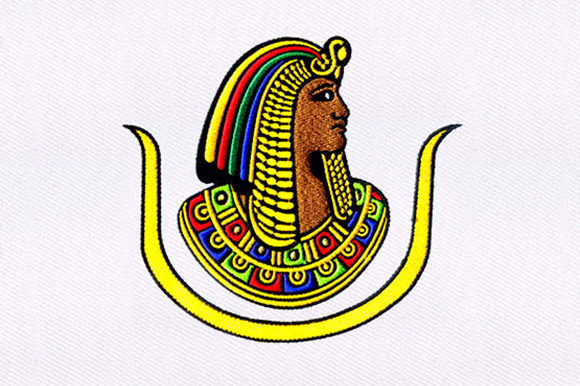
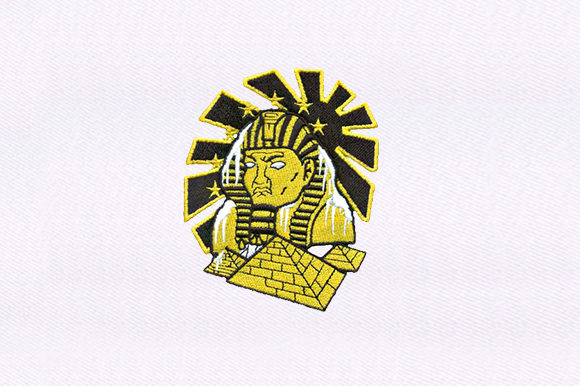
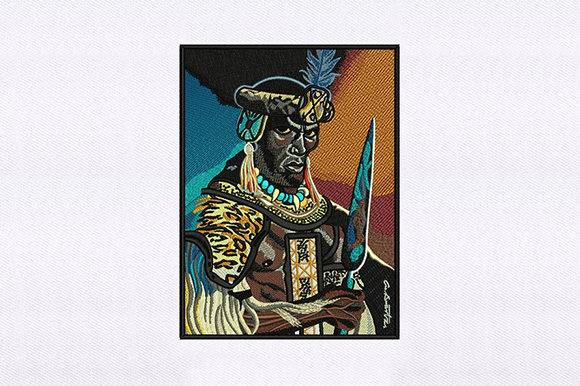
In the context of Africa and Embroidery traditions, feather motifs often carry significant cultural weight, symbolizing freedom, truth, or spiritual connection. While this specific design is tailored for general seasonal use, its organic lines and detailed texture pay homage to natural elements that appeal to buyers looking for meaningful, grounded decor. The detail level is intricate enough to look impressive up close but not so dense that it becomes stiff or overwhelming on softer fabrics.
Strategic Product Applications for the Season
When planning a seasonal shop collection, versatility is key. You want a single embroidery file that can be applied to multiple product types to maximize your return on investment. Here is how Decorated Feathers performs in real-world selling situations:
- Sweatshirt Embroidery: This is perhaps the strongest application. The design looks stunning on the left chest of a crewneck sweatshirt or centered on the back of a zip-up hoodie. It appeals to customers looking for festive yet wearable apparel that isn't overly cartoonish.
- Tote Bag Design: Canvas tote bags are huge sellers during the holiday gift-giving season. The organic shape of the feathers complements the natural texture of canvas, creating a stylish accessory for holiday shopping or carrying gifts.
- Kitchen Towel Embroidery: For home decor enthusiasts, adding this motif to linen or cotton kitchen towels creates an instant upgrade. It works beautifully for hostess gifts or as part of a coordinated table setting.
- Pillow Cover Accents: Placing the design on the corner of a throw pillow cover adds a subtle touch of holiday elegance to living room decor. It is less intrusive than large central motifs, appealing to buyers who prefer minimalist design.
- Embroidered Patch Creation: If you offer custom patches, this design translates well to felt or twill backings. Patches are excellent low-cost add-ons or standalone items for jackets and hats.
For Etsy sellers and small business owners, these applications allow for cohesive social media previews. You can create a printable mockup campaign showing the same design on a sweatshirt, a tote, and a pillow, demonstrating brand consistency and encouraging bundle purchases.
Technical Considerations and Stitch Performance
While the visual appeal is high, successful commercial embroidery requires technical precision. Before listing Decorated Feathers as a finished product, you must consider several hardware and material factors.
Hoop Size and Placement
Always confirm the hoop size required for this specific file. Since the product description lists multiple formats including DST, PES, and JEF, the design likely comes in various sizes. However, placing it on curved caps or small baby items requires careful scaling. Ensure the design fits within your standard hoop without excessive trimming or re-hooping, which can slow down production during busy holiday rushes.
Stitch Density and Fabric Texture
Feather designs often rely on fine details to mimic the softness of real plumage. Check the stitch density carefully. If the density is too high, it may cause puckering on lightweight fabrics like silk or thin cotton. Conversely, if it is too low, the design might look sparse on thick towels or fleece. I recommend testing thread colors on both light and dark fabric to see how the underlay interacts with the topstitching. On dark fabrics, you may need to adjust your thread palette to ensure the decorative elements pop against the background.
Stabilizer Selection
The choice of stabilizer is critical for maintaining the integrity of the design. For stretchy garments like sweatshirts, a cut-away stabilizer is usually best to prevent distortion after washing. For woven items like kitchen towels or pillow covers, a tear-away stabilizer might suffice, provided the stitch count isn't excessively high. Always review small details after stitching to ensure no pulls or gaps have occurred.
Enhancing Seasonal Appeal and Buyer Emotion
Holiday shopping is driven by emotion. Buyers are looking for items that convey warmth, thoughtfulness, and celebration. Decorated Feathers supports this by offering a design that feels personal and curated rather than mass-produced. When used in personalized gift options—such as adding a name below the feather motif—it increases the giftability of the item significantly.
From a marketing perspective, this design helps build customer trust. High-quality embroidery signals professionalism. When customers see clean stitch outs and thoughtful placement on your Etsy listings or craft fair displays, they are more likely to perceive your brand as premium. This visual recognition can lead to higher engagement during peak shopping periods, as shoppers scroll through hundreds of generic holiday items looking for something unique.
Practical Notes for the Embroidery Designer
To get the most out of this digital embroidery file, follow these practical steps before launching your seasonal drop:
- Test Run: Stitch out a sample on every fabric type you plan to sell. Do not assume it will look the same on fleece as it does on cotton.
- Thread Palette Planning: Create matching color palettes for different holidays. Metallic thread can add a festive sparkle for Christmas, while earth tones work well for Thanksgiving or autumn-themed collections. However, be cautious with metallic thread on high-speed machines; slow down your speed to prevent breakage.
- Check File Formats: The design is available in 10O, ART, CND, DSB, DST, DSZ, EXP, HUS, JEF, PCS, PES, TAP, VIP, VP3, and XXX. Ensure you are using the format compatible with your specific machine model to avoid conversion errors that could alter stitch density.
- Licensing Verification: Confirm commercial licensing terms before selling finished seasonal products. Most designers allow the sale of physical items made with their files, but restrictions may apply to digital redistribution.
- Mockup Quality: Use high-resolution images for your printable mockup and online listings. Show the texture of the thread and the drape of the fabric to give buyers a realistic expectation of the finished product.
In conclusion, Decorated Feathers is a robust addition to any seasonal embroidery portfolio. Its ability to bridge the gap between rustic charm and elegant decor makes it a versatile tool for apparel decorators and handmade gift makers. By paying attention to technical details like stabilizer choice and thread tension, you can ensure that every item you produce meets the high standards your customers expect during the holiday season. Whether you are creating family matching items, home decor, or limited-edition apparel, this design offers the artistic flexibility needed to stand out in a crowded market.