Reviewing Music Notes Design for Real Projects
As a designer who has spent countless hours hooping fabric and troubleshooting tension issues, I approach every new machine embroidery design with a mix of curiosity and skepticism. We have all been there: you download a file that looks stunning on the screen, only to find it puckers the fabric or loses its charm once stitched out. Today, I am taking a close look at Music Notes Design, evaluating it not just as a digital asset, but as a practical component for real-world embroidery projects.
The first impression of this design is one of rhythmic elegance. It captures the fluidity of musical notation without becoming overly complex or cluttered. For those of us in the craft business, visual clarity is paramount. A design needs to read well from a distance and hold up under close inspection. This particular layout achieves that balance, offering a classic aesthetic that appeals to musicians, teachers, and anyone with an appreciation for the arts. It feels less like a generic clipart insertion and more like a thoughtful graphic element intended for high-quality custom apparel or home decor.
Visual Appeal and Stitch Performance
When I loaded the embroidery file into my software, the stitch path appeared logical. One of the most important aspects of any design is how it handles transitions between different stitch types. In Music Notes Design, the interplay between what appears to be satin stitch borders and fill stitch bodies creates a nice textural contrast. This variation prevents the final piece from looking flat, adding a professional depth that customers often subconsciously associate with higher value.
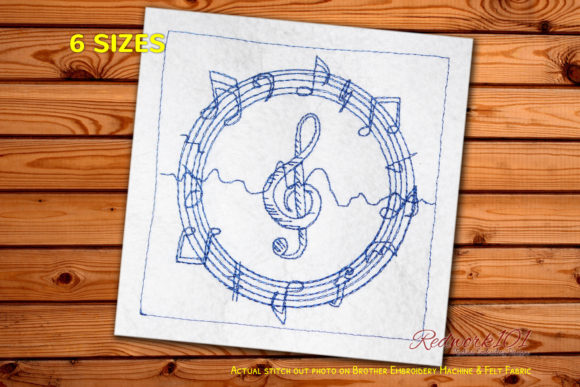
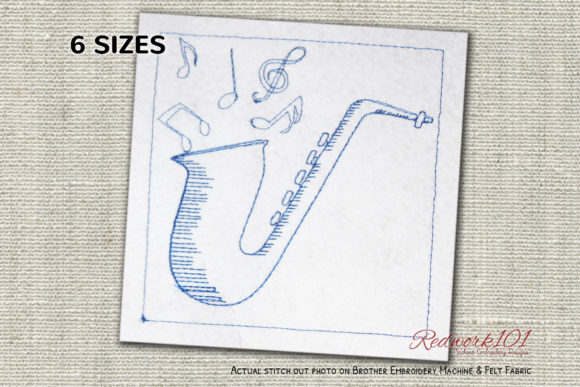
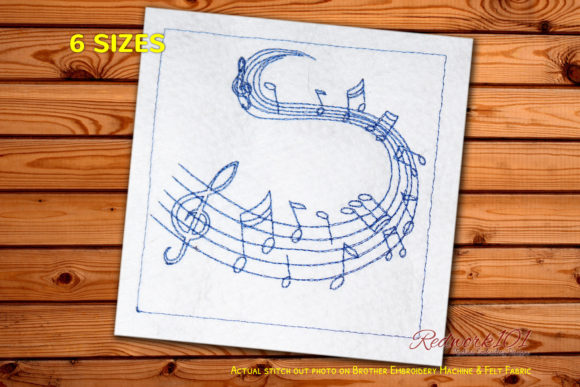
I recently used a similar musical motif for a custom order involving a canvas tote bag design. The result was impressive. The design sat cleanly on the textured surface, proving that it can handle heavier fabrics without sinking in. However, the product description notes that "The Box Stitch shown in the picture is optional." This is a crucial detail for any Etsy seller or boutique owner. If you are aiming for a minimalist look, skipping the outer box allows the notes to float freely, which works beautifully on sweatshirt embroidery where you want the design to breathe. Conversely, keeping the box provides a structured frame that might suit a patch or a more formal gift item.
Another interesting note from the description is that "The color of the outer box is a different color in most of the designs unless it is part of the design itself, you can skip the color direct." This suggests flexibility in thread selection. In my experience, this adaptability is a huge plus. It means you are not locked into a specific colorway. You can match the box to your garment for a subtle, tonal effect, or choose a contrasting thread colors scheme to make the design pop. This versatility makes it a strong candidate for a wide range of design assets in your portfolio.
Real-World Application Scenarios
Let’s talk about where this design truly shines. I envision Music Notes Design being a staple for holiday embroidery gifts, particularly for choir directors, piano teachers, or band parents. Imagine this stitched onto a high-quality fleece blanket or a plush pillow cover. The soft curves of the notes complement the cozy nature of these items. It also serves as an excellent personalized gift when paired with a name or a specific year, transforming a simple accessory into a cherished keepsake.
For the small shop product creator, this design fits seamlessly into the "teacher appreciation" niche. An embroidered apron featuring these notes could be a bestseller during the spring semester. The design’s scale seems appropriate for chest pockets or lower-left hem placements on aprons, offering a professional touch without overwhelming the garment. Furthermore, for those creating embroidered patch collections, this motif offers a timeless appeal that does not feel tied to a fleeting trend, ensuring your inventory remains relevant longer.
I also see potential in the nursery market. Baby embroidery requires designs that are soft and inviting. If the stitch density is managed correctly, this could adorn a onesie or a burp cloth, celebrating a family’s love for music. However, this leads me to some important technical considerations regarding fabric choice.
Technical Considerations and Fabric Choices
While the design is versatile, it is not without its constraints. As with any digital embroidery file, success depends heavily on the substrate. I would advise caution when using this on very thin or stretchy fabrics without proper stabilization. The stitch density appears moderate, but musical notes often have delicate tails and curves. On a lightweight jersey or silk, these fine details could cause puckering if the stabilizer is not robust enough. Always test on scrap fabric first. I recommend using a cut-away stabilizer for garments that will undergo frequent washing, such as t-shirts and baby clothes, to maintain the integrity of the stitches over time.
Another area to watch is the hoop size. While the design likely fits standard hoops, ensure you check the specific dimensions provided in the file package. If you are planning to use this on curved surfaces like caps, you must consider how the flat design will distort. The optional box mentioned earlier might help anchor the design on a cap, but the notes themselves should be positioned carefully to avoid stretching across the seams. For commercial embroidery runs, consistency is key, so mapping out your placement template precisely is non-negotiable.
Dark fabrics present another challenge. If you are stitching on black or navy, ensure your thread colors have enough contrast. A printable mockup can help visualize this, but nothing beats a physical test stitch. Sometimes, a design that looks crisp on white linen gets lost on dark denim if the thread sheen is too low. I suggest testing a high-gloss rayon thread against a matte polyester to see which offers better definition for the finer lines of the notes.
Enhancing Product Value and Brand Consistency
From a business perspective, using a well-executed design like Music Notes Design enhances your brand’s perceived professionalism. Customers can tell the difference between a sloppy, poorly digitized image and a clean, purposeful embroidery. When your finished product looks polished, it builds trust. This trust translates into repeat business and positive reviews, which are the lifeblood of any craft business.
Moreover, this design supports brand consistency if you are building a collection around music or arts themes. It pairs well with other artistic motifs, allowing you to create cohesive lines of merchandise. Whether you are selling at local craft fairs or online, having a signature style helps you stand out. This design’s classic nature means it won’t clash with other elements in a mixed-media project, such as combining embroidery with printed text or applique elements.
Final Verdict and Practical Tips
In conclusion, Music Notes Design is a solid addition to any embroiderer’s library. It offers the flexibility needed for diverse applications, from tote bag design to high-end custom apparel. Its strength lies in its clean lines and adaptable structure, particularly with the optional box feature allowing for creative customization.
Before you start stitching for clients, remember to verify the specific technical details. Since the product description does not list exact stitch counts or compatible hoop size limits, you must check the file properties in your embroidery software. Confirm the licensing terms as well; while many designs allow for commercial use of finished items, restrictions may apply to sharing the digital file itself. Always respect intellectual property rights to protect your business.
Take the time to experiment. Try it on different fabric texture types. Play with the color combinations. See how it looks with and without the border. By treating this design as a flexible tool rather than a rigid template, you will unlock its full potential. Whether you are a hobbyist making gifts for friends or an Etsy seller scaling your inventory, this design offers the reliability and aesthetic appeal necessary for successful embroidery project outcomes.