Postal Dog Design: A Designer’s Review for Commercial Use
As an embroidery designer who spends countless hours digitizing and stitching, I am always cautious about which digital assets I bring into my workflow. When I first encountered Postal Dog Design on Creative Fabrica, I wasn’t just looking for a cute motif; I was evaluating its potential for real-world commercial applications. For those of us running small businesses, selling on Etsy, or fulfilling custom orders for local boutiques, the difference between a good design and a great one often lies in the stitch quality and versatility. This review breaks down my honest assessment of this machine embroidery design after considering it for various handmade projects.
First Impressions and Visual Mood
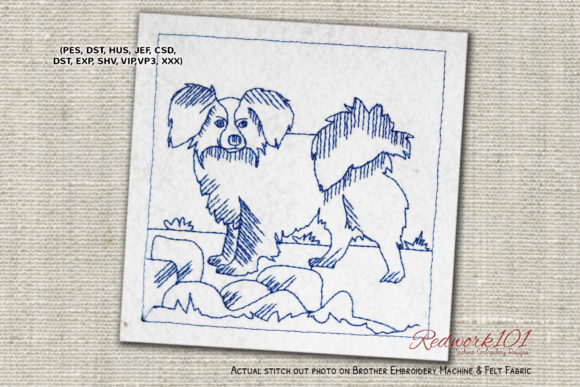
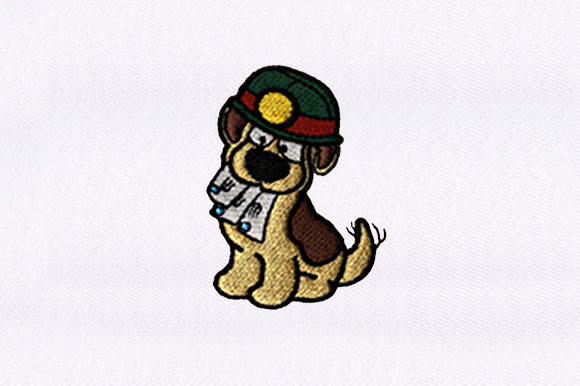
The initial appeal of Postal Dog Design is its charming narrative quality. It captures a whimsical moment that resonates with dog lovers, a massive demographic in the handmade market. The visual mood is playful yet structured, making it suitable for both juvenile items and adult apparel that leans into cottagecore or rustic aesthetics. From a designer’s perspective, the composition appears balanced, which is critical when translating a digital image into thread.
The detail level suggests a thoughtful approach to digitizing. It avoids the common pitfall of over-complicating small areas, which can lead to thread breaks or messy backs. Instead, the design seems to prioritize clean lines and readable shapes. This decorative appeal is essential because it ensures the finished product looks professional rather than homemade in a negative sense. Whether you are creating a personalized gift or a batch of inventory for a craft fair, the design needs to hold up under scrutiny.
Versatility Across Product Lines
One of the strongest arguments for downloading Postal Dog Design is its adaptability. In my experience, a single high-quality embroidery file should work across multiple substrates. Here is how I envision this design performing in various commercial embroidery scenarios:
- Custom Apparel: The design scales well for left-chest placement on sweatshirt embroidery projects or as a larger statement piece on the back of a denim jacket. The thematic element fits perfectly with casual wear trends.
- Tote Bag Design: Canvas totes are staples for eco-conscious buyers. This motif adds character to a plain bag, increasing its perceived value without requiring complex multi-hoop maneuvers.
- Home Decor: Imagine this stitched onto a pillow cover for a nursery or a kitchen towel. The whimsical nature of dogs makes it a safe yet engaging choice for giftability.
- Embroidered Patch: With the right stabilizer and dense stitching, this could be cut out and applied as a patch on caps or backpacks, extending its lifecycle beyond a single garment.
For Etsy sellers and creative entrepreneurs, having a design that works on both apparel and home goods allows for cohesive brand consistency. You can create printable mockups showing the design on different products, helping customers visualize the final result before purchasing.
Technical Performance and Stitch Quality
When evaluating any digital embroidery file, technical execution is paramount. While I cannot verify the exact stitch count without loading the file into my software, the preview suggests a balanced use of satin stitch for outlines and fill stitch for larger areas. This combination is crucial for durability. A design that relies too heavily on running stitch may look fragile after washing, while excessive density can cause puckering on lighter fabrics.
The availability of multiple file formats is a significant advantage. The product includes 10O, ART, CND, DSB, DST, DSZ, EXP, HUS, JEF, PCS, PEC, PES, TAP, VIP, VP3, and XXX. This broad compatibility means you can use Postal Dog Design regardless of whether you run a Brother, Janome, Husqvarna, or Bernina machine. For commercial embroidery shops using industrial multi-needle machines, the DST and EXP formats are particularly reliable.
Navigating Fabric Challenges
Real-world embroidery involves dealing with difficult materials. Here is how I would approach stitching this design on challenging surfaces:
- Stretchy Fabric: When applying this to sweatshirts or knit caps, a cut-away stabilizer is non-negotiable. The design’s structure needs support to prevent distortion during wear and washing.
- Dark Fabric: If stitching on navy or black apparel, consider using a light-colored underlay or adjusting thread colors to ensure the details pop. High contrast is key for visual appeal.
- Curved Surfaces: For cap embroidery, hooping can be tricky. Ensure the design fits within your cap frame’s usable area. Smaller hoop sizes may require resizing the design, so always check the dimensions provided in the file details.
- Textured Fabric: On towels or fleece, the stitches need to sit on top of the pile. A topping sheet might be necessary to keep the satin stitches from sinking into the fabric.
Enhancing Product Value and Buyer Trust
In the competitive world of handmade products, presentation is everything. A crisp, well-stitched Postal Dog Design signals quality to the buyer. It builds trust because it shows attention to detail. When customers see clean thread trims, no bird nests on the back, and vibrant thread colors, they are more likely to leave positive reviews and return for future purchases.
Furthermore, this design supports effective product photography. A well-executed embroidery piece photographs beautifully, allowing you to create compelling listings. Whether you are selling the finished product or offering custom apparel services, the visual appeal of the stitched design drives customer engagement. It transforms a basic item into a cherished keepsake.
Practical Notes for Embroidery Designers
Before you commit to a large production run or list this item in your shop, follow these best practices:
- Test on Scrap Fabric: Always stitch a test sample on the same material you intend to sell. This helps you identify any tension issues or registration errors.
- Check Thread Color Contrast: Experiment with different thread palettes. Sometimes, swapping a standard brown for a variegated thread can add depth to the dog’s fur or the postal elements.
- Review Stitch Density: If the design feels too dense for lightweight fabric, consider using a lighter weight stabilizer or adjusting the density settings in your editing software if you have the skills.
- Confirm Hoop Size: Verify that the design fits your available hoops. While the file formats are extensive, the physical dimensions must match your machine’s capabilities.
- Licensing Check: Always review the license terms on the Creative Fabrica product page. Ensure that your intended use, whether for physical goods or digital mockups, complies with their commercial use policy.
In conclusion, Postal Dog Design offers a blend of charm and technical reliability that suits a wide range of embroidery projects. For designers looking to expand their portfolio with playful, high-quality motifs, this asset is worth considering. By paying attention to stabilizer choices and fabric types, you can produce stunning finished products that stand out in the marketplace.