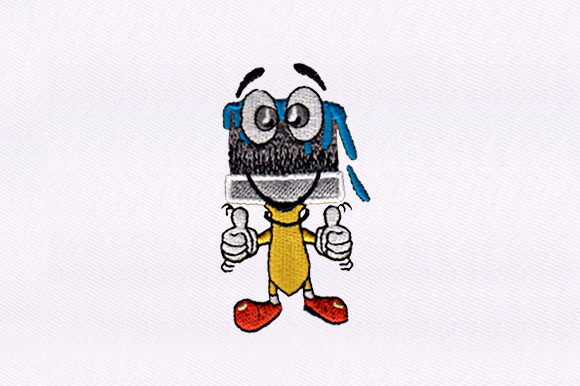
Paintbrush Embroidery Design: A Designer’s Practical Review
When I first pulled up the Paintbrush machine embroidery design on my screen, I wasn’t looking for flashiness. I was looking for utility. As a designer who spends half my life tweaking stitch paths and the other half troubleshooting thread breaks, I evaluate every new embroidery file through a lens of practical application. Does this design actually work on real fabric? Will it hold up after washing? Does it look professional enough to sell?
The Paintbrush design sits in an interesting niche. While its product category is listed under Cleaning, its visual language is purely creative. It evokes the messy, joyful process of art-making rather than the sterile act of scrubbing floors. This duality makes it a versatile asset for anyone running a craft business or creating personalized gifts. Let’s break down how this design performs in the real world, from the hoop to the final finished product.
First Impressions: Mood and Visual Personality
The immediate impression of Paintbrush is one of approachable creativity. The shape is recognizable but stylized, avoiding the rigid, clip-art feel that plagues so many digital embroidery files. The layout suggests movement, capturing the swipe of bristles against canvas. For embroidery designers, this is crucial. A static image often looks flat when stitched out, but a design with inherent directional flow tends to have more visual appeal once the thread hits the fabric.
The detail level appears balanced. It is not so intricate that it becomes a nightmare of tiny satin stitches on a textured towel, nor is it so vague that it loses its identity. This balance is what makes it suitable for a wide range of projects, from a subtle accent on a tote bag design to a bold statement on a workshop apron.
Real-World Application: From Tote Bags to Studio Aprons
To truly test a design, you have to imagine it on a specific item. I recently considered using Paintbrush for a custom order: a set of canvas tote bags for a local art supply shop. The client wanted something that screamed "creativity" without being overly childish.
In this scenario, the design shined. On a medium-weight canvas, the stitch density provided enough coverage to look substantial without pulling the fabric out of shape. I paired it with a vibrant teal thread color to mimic wet paint, contrasting sharply against the natural beige fabric. The result was a high-value handmade product that felt boutique-quality rather than mass-produced.
Beyond totes, this design is a strong contender for sweatshirt embroidery. Placed on the left chest of a heather grey crewneck, it serves as a subtle badge of identity for art teachers, hobbyists, or students. Because the design isn’t overly large, it doesn’t overwhelm the garment, maintaining a clean, professional aesthetic. It also works beautifully as an embroidered patch. If you are selling design assets or finished patches, the clear outlines of the brush handle and bristles translate well to the cut-and-sew process.
Navigating Fabric and Hoop Constraints
While Paintbrush is versatile, it is not without its limitations. Any experienced embroidery reviewer will tell you that context is everything. Here is where you need to exercise caution:
- Textured Fabrics: If you are stitching this onto a plush bath towel or a thick waffle-weave kitchen towel, be mindful of the smaller details. The bristles of the brush may get lost in the pile if the stitch density isn’t high enough or if the stabilizer isn’t robust. Always test on scrap fabric first.
- Stretchy Materials: For baby embroidery on onesies or stretchy t-shirts, ensure you are using a cut-away stabilizer. The fill stitch areas in the handle of the brush can cause puckering if the fabric shifts during stitching.
- Dark Fabrics: When working on dark navy or black apparel, consider using a lighter underlay or a contrasting thread color for the outline. Without proper contrast, the definition of the brush shape can disappear into the background.
- Curved Surfaces: Stitching this on a cap requires careful hooping. The curved surface can distort the aspect ratio of the design. Keep the design size moderate to avoid distortion at the edges of the hoop.
Technical Considerations for the Serious Maker
Before you commit to a full production run, there are technical boxes to check. The product description lists a comprehensive array of embroidery file formats, including DST, PES, JEF, EXP, and VIP, among others. This broad compatibility is a significant advantage for Etsy sellers and small shop owners who may use different brands of machines. However, do not assume universal perfection across all formats.
I recommend downloading the format specific to your machine brand and inspecting it in your embroidery software before stitching. Check the stitch sequence. Does it jump excessively? Are there too many trims? A clean stitch path saves time and reduces thread waste. Also, verify the recommended hoop size. While the design might fit in a 4x4 hoop, giving it more breathing room in a 5x7 or 6x10 hoop can sometimes improve the stability of the stitching, especially if you are adding text or other elements around the Paintbrush motif.
Thread choice plays a massive role in the final look. A glossy rayon thread will give the "paint" part of the brush a wet, shiny appearance, while matte polyester might look more like dried acrylic. Experiment with thread colors to see what best suits your brand consistency. For a rustic, handmade vibe, try variegated threads that shift color across the bristles.
Commercial Viability and Brand Value
For those using this as a commercial embroidery asset, the question of value is paramount. Does Paintbrush enhance the perceived value of the item? In my experience, yes. It signals attention to detail and thematic relevance. For an art studio selling merchandise, or a parent buying a holiday gift for a creative child, this design feels intentional. It builds customer trust because it looks like a custom graphic rather than a generic stock icon.
However, always confirm licensing terms. Just because a file is available for purchase does not automatically grant unlimited commercial rights for digital resale. If you are selling finished items like aprons or tote bags, you are generally safe, but if you are reselling the digital embroidery file itself, you must read the license agreement carefully. Protecting your craft business means respecting intellectual property.
Final Verdict
The Paintbrush embroidery design is a solid, reliable tool for your digital library. It is not the most complex design I have ever reviewed, but it doesn’t need to be. Its strength lies in its clarity and adaptability. Whether you are creating nursery decor, workshop gear, or personalized gifts, this design holds its own.
My advice? Buy it, test it on your most difficult fabric, tweak your tension, and then put it to work. It is a design that respects the maker’s time and the end user’s eye. In the world of handmade products, that is a rare and valuable combination.