Forward Thinking: A Designer’s Review for Real Embroidery Projects
As a designer who has spent countless hours staring at digitizing software and even more time watching needles pierce fabric, I have learned to look past the glossy preview images. When I first opened the Forward Thinking machine embroidery design, my immediate reaction was not just about aesthetics, but about functionality. In the world of Awareness and Embroidery, a design must do more than look pretty on a screen; it must survive the rigors of washing, wearing, and daily use while maintaining its visual integrity.
This review comes from the perspective of someone preparing a real project. Imagine a client requesting a custom embroidered tote bag for a local community workshop. They want something that speaks to progress and mindfulness without being overly literal. This is where Forward Thinking enters the conversation. It is not just a graphic; it is a statement piece that needs to hold up under the scrutiny of both the maker and the end-user.
First Impressions and Visual Personality
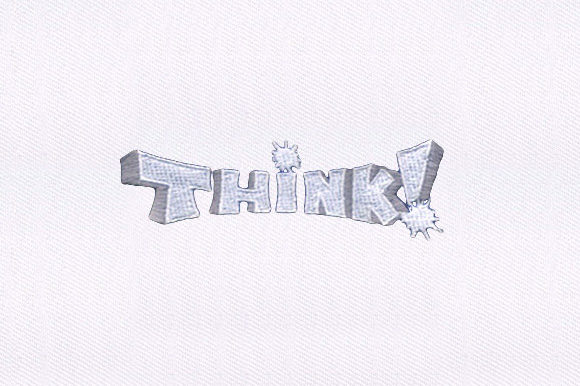
The layout of Forward Thinking strikes a balance between modern minimalism and traditional embroidery warmth. The mood it creates is one of quiet confidence. For an embroidery designer, this is crucial. Overly complex designs often get lost in translation when moved from vector art to thread. However, this design appears to respect the limitations and strengths of the medium. The shape and theme suggest a versatility that fits well within the Awareness category, appealing to those who value intentionality in their handmade products.
When evaluating the detail level, I look for potential pitfalls. Are there tiny elements that might bunch up? Is the text legible at smaller sizes? From a visual personality standpoint, Forward Thinking feels approachable yet professional. It does not scream for attention but rather invites closer inspection, which is exactly what you want for a high-quality finished product.
Real-World Application: From Sweatshirts to Tote Bags
Let us discuss how this design performs in actual embroidery situations. I recently considered using Forward Thinking for a line of sweatshirt embroidery intended for a small shop product launch. The design’s structure suggests it would sit beautifully on the left chest of a hoodie or centered on the back of a crewneck. The stitch paths seem designed to lay flat, reducing the risk of puckering on thicker fabrics like fleece or French terry.
Beyond apparel, this design shines as a tote bag design. Canvas is a forgiving yet textured fabric, and the density of the stitches in Forward Thinking appears sufficient to cover the weave without sinking into it. For Etsy sellers looking to expand their catalog, this could easily translate into a best-selling personalized gift. Imagine pairing it with a neutral thread color on a natural cotton bag; the result is a sophisticated accessory that appeals to a broad demographic.
For those interested in baby embroidery, caution is advised regarding placement, but the softness of the design concept fits nursery decor well. It could work on a pillow cover or a blanket, provided the stabilizer choice is appropriate for delicate fabrics. The key is adapting the scale to the item. A large version might overwhelm a baby onesie, but a scaled-down version could serve as a subtle, meaningful accent.
Navigating Technical Challenges and Fabric Choices
No design is universal, and Forward Thinking requires careful consideration when applied to challenging materials. If you are working with stretchy fabric, such as jersey knits for t-shirts, the stitch density becomes a critical factor. High-density areas can cause distortion if not properly supported. I recommend using a cut-away stabilizer for these projects to ensure the design remains stable after repeated washing.
Textured fabrics present another hurdle. On a waffle-knit towel or a rough linen apron, fine details can get lost. Before committing to a final product, always test the design on scrap fabric that matches your final material. This is especially true for dark fabric backgrounds. While the design may look crisp in a digital preview, thread colors need to be chosen with contrast in mind. A light thread on dark denim can pop beautifully, but only if the underlying stitches do not show through gaps in the coverage.
Curved surfaces, such as caps or hats, require additional attention. The hoop size must accommodate the curvature without distorting the design. If Forward Thinking includes any long, straight lines, they may appear curved on a cap if not digitized with compensation in mind. Always inspect the design in a 3D mockup if possible, or stitch out a test on a similar curved surface to check for alignment issues.
Enhancing Brand Value and Customer Trust
For craft business owners and commercial embroidery professionals, the quality of your design assets directly impacts brand consistency. Using a well-structured design like Forward Thinking signals professionalism. Customers may not know the technical details of satin stitch versus fill stitch, but they can feel the difference in quality. A clean, well-executed embroidery project builds trust and encourages repeat business.
When creating printable mockups for your online store, ensure that the digital representation matches the physical reality. Misleading previews can lead to disappointed customers and returns. By testing Forward Thinking on various thread colors and fabric textures, you can create accurate marketing materials that set realistic expectations. This transparency enhances buyer engagement and reduces friction in the sales process.
Practical Notes for the Serious Maker
Before you load this design into your machine, take a moment to review the technical specifications. The product description lists a wide array of embroidery file formats, including DST, PES, JEF, and EXP, among others. This compatibility is a significant advantage, allowing you to use the design across different machine brands. However, always confirm that the specific format you choose matches your machine’s requirements.
Check the license terms carefully. While many designs allow for commercial use in finished products, restrictions may apply to reselling the digital embroidery file itself. As an Etsy seller or digital product seller, understanding these boundaries is essential to protect your business. If the license is unclear, reach out to the creator before listing items for sale.
Finally, remember the importance of the test stitch. Run the design on a scrap piece of your chosen fabric with the same stabilizer and thread you plan to use for the final product. Check for thread breaks, nesting, or registration errors. Adjust tension if necessary. This simple step can save you from ruining expensive materials and ensure that every piece of custom apparel or handmade merchandise you produce meets your high standards.
In conclusion, Forward Thinking is a versatile addition to any designer’s library. It offers a blend of aesthetic appeal and practical usability that suits a wide range of projects, from holiday embroidery gifts to boutique branding items. By approaching it with a critical eye and a commitment to quality, you can transform this digital asset into a tangible product that resonates with your audience.