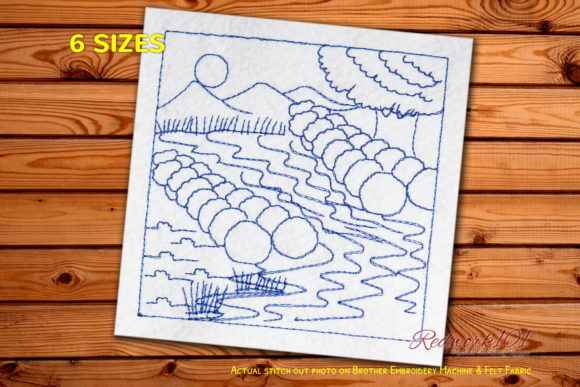
Floating River Lineart: A Designer’s Review
As an embroidery designer who has spent years digitizing files for small businesses, I approach every new machine embroidery design with a critical eye. It is not just about aesthetics; it is about functionality, durability, and brand alignment. Today, I am reviewing Floating River Lineart, a piece categorized under Cities and Embroidery, to determine its viability for commercial use. This review is tailored for shop owners, Etsy sellers, and apparel decorators looking to elevate their branded merchandise.
First Impressions and Visual Personality
The immediate impression of Floating River Lineart is one of understated elegance. The term "lineart" suggests a minimalist approach, relying on clean outlines rather than heavy fill stitches. In the context of modern branding, this is a significant advantage. Heavy fills can look dated or feel stiff on soft fabrics, whereas line work offers a contemporary, airy feel. The design feels professional yet approachable, striking a balance between rustic charm and modern simplicity. For a boutique or creative studio, this visual personality communicates sophistication without being overly corporate.
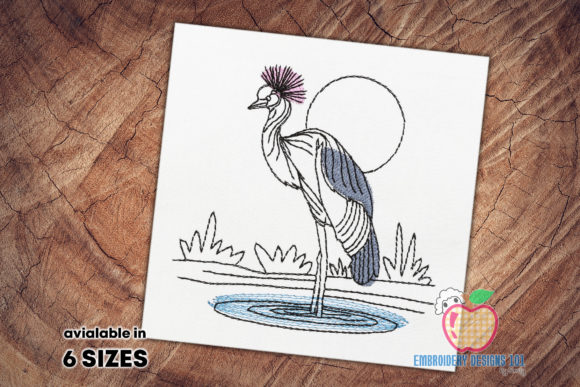
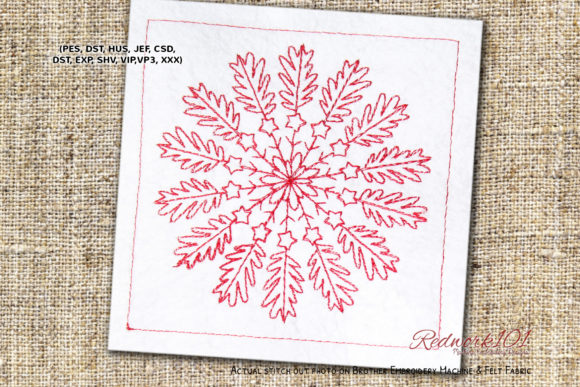
The description notes that the Box Stitch shown in promotional images is optional. This flexibility is crucial for custom apparel. It allows us to adapt the design for different applications, such as removing the border for a seamless look on a tote bag or keeping it for a defined patch aesthetic. The note regarding the outer box color being different in most designs unless part of the design itself suggests we must pay close attention to thread color selection during the digitizing or setup phase.
Real-World Business Applications
When evaluating Floating River Lineart for small business merch, versatility is key. Here is how this design performs across various product categories:
- Embroidered Patches: This is perhaps the strongest application. The line art style translates beautifully into woven or embroidered patches. For local cafes or florists, a patch featuring this river motif can serve as a subtle badge of quality on aprons or staff uniforms.
- Cap Embroidery: Caps require designs that are not too wide or dense. The linear nature of this file likely keeps stitch density manageable, preventing the cap front from puckering. It works well as a side-panel accent or a small center-front logo.
- Tote Bag Design: Canvas bags benefit from open designs. Heavy embroidery can weigh down thin canvas, but line art remains lightweight. This makes Floating River Lineart an excellent choice for eco-friendly branded giveaways or retail packaging accents.
- Apron Embroidery: For bakeries and craft studios, aprons are walking billboards. Placing this design on the chest pocket area adds a touch of handmade authenticity. The simplicity ensures it does not interfere with the practical use of the garment.
Technical Considerations for Production
While the design is visually appealing, technical execution determines the quality of the finished product. As a designer, I advise caution in specific scenarios. First, consider the stitch density. Line art typically uses lower density, which is good for speed and fabric integrity, but it may lack coverage on textured fabrics like thick wool or terry cloth. Always test on the actual material you intend to use.
Second, be mindful of scale. If you shrink Floating River Lineart too much for a tiny label or small patch, the lines may merge or break. Thin stitches are prone to snapping under tension. I recommend maintaining a minimum height to ensure the structural integrity of the threads. Additionally, the optional box stitch mentioned in the description requires careful color planning. If you skip the color direction for the box, ensure your background fabric provides enough contrast. A dark thread on a dark uniform will render the design invisible.
Another critical factor is the hoop size. Since the exact dimensions are not provided in the brief description, you must verify the file specifications before purchasing. Ensure the design fits within your standard hoop sizes, especially if you plan to run batch production on multi-head machines. Using the proper stabilizer is non-negotiable. For line art on stretchy fabrics like jersey tees, a cut-away stabilizer is often safer than tear-away to prevent distortion after washing.
Impact on Brand Identity and Customer Trust
In the world of custom apparel and handmade products, consistency builds trust. Floating River Lineart contributes to a cohesive brand identity by offering a recognizable visual marker that is distinct yet versatile. When customers see this consistent branding on everything from employee uniforms to packaging inserts, it reinforces professionalism. It signals that the business cares about details, which elevates the perceived value of the handmade product.
For Etsy sellers and crafters, using high-quality digital embroidery file assets like this can differentiate your shop from competitors using generic clipart. It adds a layer of exclusivity. When used as a design asset in printable mockups or social media content, it helps visualize the final product, increasing buyer engagement and conversion rates.
Practical Designer Notes for Implementation
Before launching this design into your commercial embroidery workflow, follow these steps to ensure success:
- Test in Black and White: Before committing to expensive thread colors, stitch out the design in black thread on white fabric. This reveals any gaps in the line work or issues with spacing that might be hidden by colorful threads.
- Check Small Patch Viability: Stitch a miniature version to see if the details hold up. If the lines become indistinct, you may need to simplify the design further or increase the size.
- Review Thread Color Contrast: Since the outer box color varies, plan your palette carefully. High contrast ensures visibility, while low contrast offers a subtle, premium look. Choose based on your brand guidelines.
- Create a Mockup for Client Approval: If you are doing work for hire, use a printable mockup to show the client how Floating River Lineart will look on their specific garment. This manages expectations and reduces revision rounds.
- Confirm Commercial Licensing: Always verify the license terms of the embroidery file. Ensure you have the right to use it for physical goods sold for profit. Never assume; always read the fine print.
In conclusion, Floating River Lineart is a strong contender for small business branding. Its minimalist aesthetic, combined with the flexibility of the optional box stitch, makes it adaptable for various applications from caps to tote bags. By paying attention to technical details like stabilizer choice and scale, you can leverage this design to create high-value, professional merchandise that resonates with your customers.