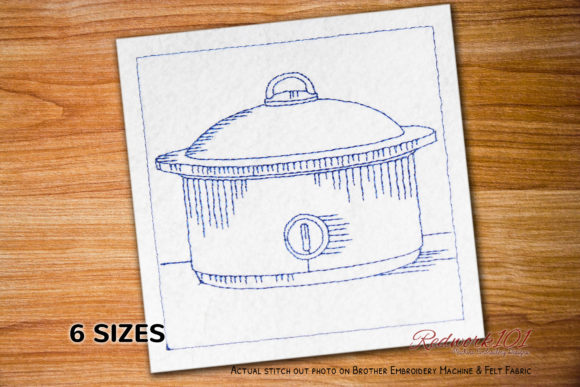
Crock Pot Redwork: A Designer’s Review for Craft Fairs
As an embroidery designer who has spent countless weekends behind a booth table, I know that not every machine embroidery design is created equal when it comes to actual sales. Some designs look beautiful on a screen but fall flat in person. Others are too complex to produce in bulk. Today, I am reviewing Crock Pot Redwork, a charming digital asset that taps into the enduring popularity of kitchen-themed decor. If you are an Etsy seller, a boutique maker, or a creative entrepreneur preparing for your next handmade market, this review will help you decide if this design belongs in your product lineup.
First Impressions: Rustic Charm Meets Modern Utility
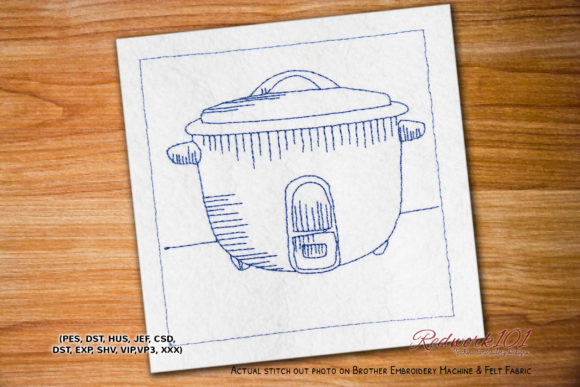
The first thing that strikes me about Crock Pot Redwork is its immediate readability. In the busy environment of a craft fair, you have seconds to catch a browser’s eye. This design does not rely on intricate shading or thousands of stitches to make an impact. Instead, it leans into the classic redwork aesthetic—simple, bold lines that evoke a sense of farmhouse nostalgia. It feels both cute and functional, striking a balance that appeals to a wide demographic, from young couples setting up their first home to grandparents looking for unique gifts.
The description notes that "The Box Stitch shown in picture is optional." This is a crucial detail for production flexibility. It means you can adapt the design to fit various hoop sizes without losing the core motif. The note about the outer box color being different in most designs unless part of the design itself suggests that you should treat the framing as a customizable element. This allows for greater brand consistency across your small shop product line, letting you match thread colors to specific fabric choices or seasonal trends.
Product Versatility: Where This Design Shines
When evaluating a new embroidery file, I always ask: "Where does this live best?" For Crock Pot Redwork, the answer is clearly within the House category, specifically items related to cooking and hosting. Here is how I envision this design performing across different products:
- Tea Towel Embroidery: This is arguably the strongest application. The linear nature of redwork looks stunning on flour sack towels. It is quick to stitch, uses minimal thread, and creates a high-perceived value item with low material cost.
- Apron Embroidery: Placing this design on the bib of a canvas or denim apron creates an instant focal point. It transforms a basic utility item into a personalized handmade product that chefs and home cooks love.
- Tote Bag Design: For market bags or grocery totes, this design works well as a central graphic. It signals a love for slow cooking and home meals, which resonates with the current trend toward domestic comfort.
- Embroidered Patch: If you offer iron-on or sew-on patches, this design’s clear outlines make it ideal. Patches are excellent impulse buys at craft fairs because they are low-cost and easy to display.
While it could work on caps or pillow covers, I would approach those with caution. Curved surfaces like caps can distort simple line art if the stabilizer is not perfect, and pillows often require larger, more filling designs to look proportional. However, for a small accent on a corner of a pillowcase, it could add a subtle touch of whimsy.
Production Practicality for Batch Selling
For those of us running a business, time is money. Crock Pot Redwork appears to be highly efficient. Redwork styles typically have lower stitch density compared to satin-stitch heavy designs. This means faster run times, less thread breakage, and reduced wear on your machine needles. When you are producing fifty units for a weekend fair, these savings add up significantly.
The optional box stitch is a smart inclusion. If you are stitching on a dark fabric, you might choose to include the box in a contrasting color to frame the design. On light fabrics, you might skip it entirely for a cleaner, minimalist look. This adaptability makes it a versatile design asset for your library. However, always check the specific details of the digital embroidery file regarding exact stitch counts and recommended hoop sizes before committing to a large batch.
Visual Appeal and Customer Engagement
In a booth display, cohesion is key. Crock Pot Redwork helps build a narrative around "slow living" and "home cooking." When customers see this design on multiple items—a towel, an apron, and a patch—they recognize a brand aesthetic. This visual consistency increases buyer engagement and trust. It signals that you are a thoughtful commercial embroidery professional, not just someone randomizing designs.
Photographically, this design performs well. The high contrast of traditional redwork against white or cream fabrics pops in online listings. It creates clean, attractive thumbnails for your Etsy seller profile. If you create a printable mockup for your digital listings, ensure the lighting highlights the texture of the stitch without washing out the simplicity of the lines.
Careful-Use Notes and Designer Tips
Before you launch this as a primary craft fair product, consider these practical warnings. While redwork is generally forgiving, tiny details can get lost on textured fabrics like waffle-weave towels. Always test the design on scrap fabric that matches your final product material. Check your thread colors carefully; a true red is classic, but a deep burgundy or even a navy blue could offer a modern twist depending on your target audience.
If you plan to use this on dark fabric, remember that red thread may not show up well. You might need to adjust the design colors or use a backing stabilizer that prevents the fabric color from bleeding through the sparse stitching. Also, confirm commercial licensing before selling finished products. Most designers allow physical sales but restrict the resale of the embroidery file itself.
Final Verdict for Handmade Sellers
Crock Pot Redwork is a solid addition to any Embroidery focused business. It is simple enough for beginners to stitch confidently yet stylish enough to attract discerning buyers. Its strength lies in its versatility and speed of production. By focusing on high-margin items like tea towels and aprons, you can maximize your profit per hour. Just remember to test your tension, choose the right stabilizer, and present the final finished product with pride. This design has the potential to be a staple in your booth, drawing in customers who appreciate the warmth of handmade kitchenware.